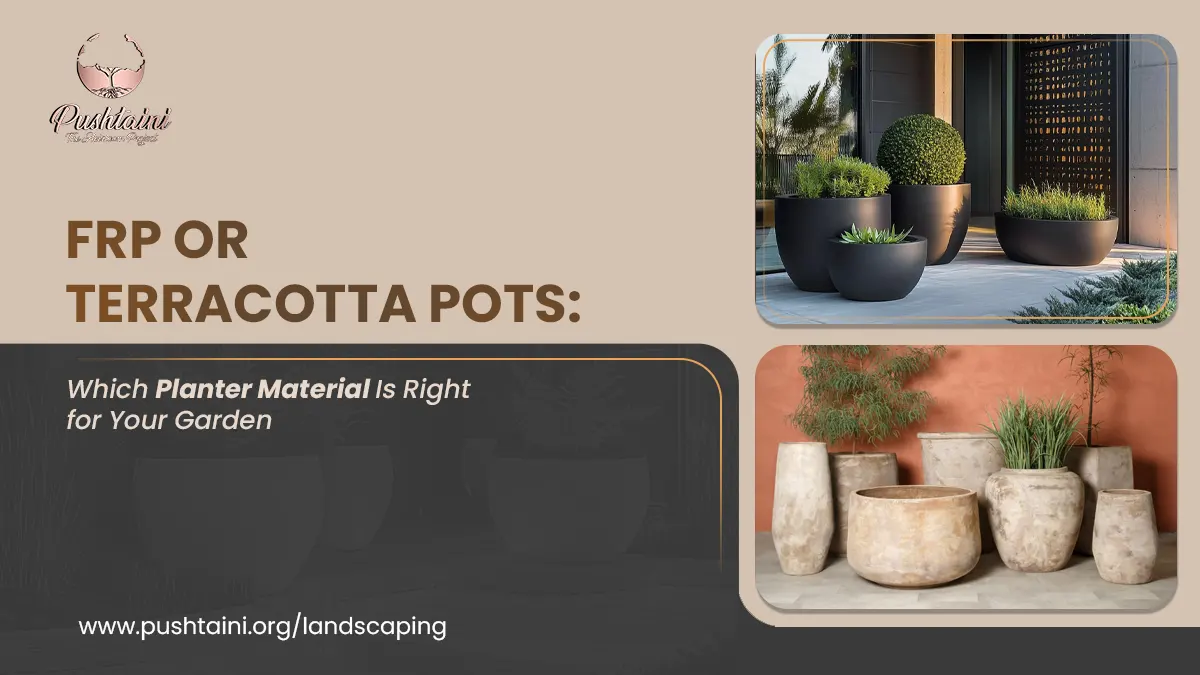
If you love plants, then you already know one small thing can change the full look of your garden and yes, pots matter a lot. Many people get confused while choosing between FRP pots and terracotta pots. Both look good in their own way. Both are used in homes, balconies, cafes, hotels, and even big outdoor spaces but still, people keep asking one thing — which one is actually better?
Some people like the natural feel of clay pots. Others want something modern and easy to manage, this is where the comparison starts. When you search for outdoor terracotta planters, you will see many beautiful options. At the same time, FRP planters are also becoming common because they are light and easy to move.
In this article, you will understand the real difference between FRP and terracotta pots. We will talk about durability, plant health, weather conditions, maintenance, design, and many other things in simple words. So if you are planning to buy new planters for your home or garden, this guide may help you.
Understanding Terracotta Pots in Real Life
Terracotta pots are not new. Indian homes have been using them for years. Even today, many people feel connected to clay pots because they look natural and simple. These pots are made from baked clay and they usually come in earthy orange or brown color.
One big reason people still buy outdoor terracotta planters is because they help plants breathe. The clay surface is porous, it allows air and water to move slowly through the pot. Because of this, roots stay healthier in many cases, overwatering problems also reduce a little bit.
In the summer season, terracotta pots can keep soil cooler compared to plastic-type pots. This helps many outdoor plants survive heat better. Especially in Indian weather, where temperatures go very high, this thing matters a lot.
But terracotta pots also have some issues, they can crack if they fall down. In heavy rain or extreme winters, low-quality clay pots may break faster; they are also heavier than FRP pots. So shifting them from one place to another becomes difficult sometimes.
Still, many people choose designer terracotta planters because they give a warm and natural look, they match very nicely with green plants, flowers, herbs, and balcony gardens.
What Makes FRP Pots Different?
FRP stands for Fiber Reinforced Plastic. These pots are made using fiber material mixed with resin. At first, many people thought FRP pots were just fancy plastic pots but actually, they are stronger than normal plastic planters.
Nowadays, FRP planters are used in hotels, offices, malls, rooftops, and modern homes. One main reason is their lightweight body, even large FRP pots can be moved easily without much effort.
Another thing people like is design variety. FRP pots come in many colors, textures, and shapes, some even look like stone or clay from a distance. Because of this, many people also use them for decoration purposes.
FRP pots are also weather resistant, rain, sunlight, and moisture do not damage them quickly. If you keep them outside for years, they usually stay in good condition. This makes them a practical option for busy people who do not want too much maintenance.
But one thing some gardeners feel is that FRP pots do not give the same natural feeling as terracotta, plants grow well in FRP too but clay pots often feel more earthy and traditional.
Which Pots Are Better for Plant Health?
This question is very common. People want to know whether plants grow better in FRP or terracotta pots.
Honestly, both can support healthy plants if used properly but there are few differences. Terracotta pots absorb extra moisture from soil. This helps plants that do not like too much water. Succulents, snake plants, aloe vera, and herbs often grow nicely in outdoor terracotta planters.
At the same time, plants that need constant moisture may dry out faster in clay pots during hot months, so regular watering becomes important.
FRP pots hold moisture longer, this can help plants during strong summer heat but if drainage holes are poor, water can collect inside and damage roots slowly.
So the truth is simple, the right pot also depends on the plant type and weather around you.
1. The Look and Feel of Both Pots
Looks matter a lot these days. People want gardens that look clean, stylish, and peaceful, this is why planter design has become important.
Outdoor terracotta planters give a traditional and earthy feeling, they make spaces feel calm and natural. If you have wooden furniture, brick walls, or green balcony areas, terracotta usually fits beautifully.
Many cafes and resorts also use designer terracotta planters because they create a warm environment, even simple clay pots can make a corner look attractive.
FRP pots, on the other side, give a more modern touch. They are available in glossy finishes, matte textures, tall designs, and geometric shapes. Some homes with modern interiors prefer FRP because it matches contemporary decor better.
In many luxury apartments now, people mix both materials together, large FRP planters are used near entrances, while terracotta pots are used near seating areas or plant corners.
2. Weather Conditions Also Matter
India has different weather in every city, some places have extreme heat while some have heavy rain which affects planter life also.
Terracotta pots can become weak if exposed to continuous rainwater for a long time. In colder areas, water inside clay can freeze and create cracks. Low-quality clay pots may also fade faster.
Still, many gardeners say that good-quality outdoor terracotta planters can last for years if handled properly, the key thing is quality.
FRP pots perform well in most weather conditions. They do not absorb water like clay, they also do not crack easily. This makes them useful for rooftops, terraces, and commercial spaces.
If your garden is exposed to rough weather most of the year, FRP may give less trouble in the long term.
3. Maintenance and Cleaning
Not everyone has time to clean and manage pots every week, this is where FRP becomes easier for many people. FRP pots need very little maintenance, you can wipe them with cloth and they look fresh again. Their color also stays longer in most cases.
Terracotta pots need more care. White marks from minerals can appear outside the pot after some time, moss and dirt may also collect if kept in wet areas. But some people actually like this aged look, they feel it gives character to the garden. Old terracotta pots often look more natural with time.
So maintenance choice depends on your personal liking too.
4. Cost Difference Between FRP and Terracotta
Price is another important thing. Terracotta pots usually cost less in small and medium sizes, local markets across India sell them easily but designer terracotta planters with detailed artwork or custom designs can become expensive. Handmade clay planters often take more effort, so prices increase.
FRP pots may look costly at first, especially premium designs but they usually last longer without damage. So many people feel they save money later because replacement happens less.
If someone is decorating a big commercial space, FRP can become practical because of durability and easy movement.
For small home gardens, both options are available in different budget ranges.
Which One Should You Choose Finally?
There is no one perfect answer for everyone. The better planter depends on your space, weather, plant type, and personal style.
If you love natural looks, traditional gardens, and breathable pots, outdoor terracotta planters are a beautiful choice. They feel more connected to nature. Many plant lovers still trust clay pots because they have been used for generations.
If you want lightweight, durable, and modern planters with low maintenance, FRP pots may suit your needs better. They work especially well in rooftops, offices, and contemporary homes.
Some experienced gardeners even suggest mixing both. Use terracotta for herbs and decorative corners. Use FRP for large plants and outdoor areas where durability matters more.
This balanced approach actually works nicely in many Indian homes.
Why Many People Are Choosing Pushtaini Planters
Today, many buyers want planters that are strong, good-looking, and long lasting. This is why brands like Pushtaini are getting attention among garden lovers.
Pushtaini offers both FRP and terracotta planter options in different styles and sizes. Their collection includes modern planters as well as designer terracotta planters for traditional spaces. Many people like their products because the finish looks neat and the quality feels reliable.
Whether someone wants simple balcony pots or large decorative planters for outdoor areas, having different material choices helps a lot. Good planters not only hold plants but also improve the full feel of the space around them.
Conclusion
Choosing between FRP and terracotta pots is not only about looks. It is also about comfort, plant needs, weather, maintenance, and daily use. Both materials have their own strengths. Terracotta brings natural beauty and healthy airflow for plants while FRP gives durability, easy handling, and modern styling.
Before buying, think about your garden setup and how much maintenance you can manage. Also think about the kind of plants you grow, this makes the decision much easier.
If you are searching for quality outdoor terracotta planters or stylish FRP planters for your home, balcony, cafe, or office, Pushtaini is a good place to explore different options. Their range of designer terracotta planters and FRP planters can help you create a garden space that feels peaceful, practical, and beautiful at the same time.